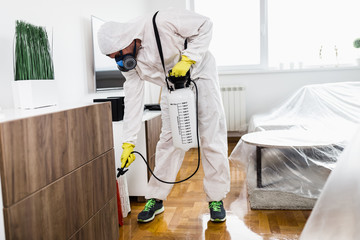
Pest control is often viewed as a single solution to a visible problem, but effective protection requires a broader perspective. Many property owners focus primarily on what they can see inside their spaces, overlooking the fact that most infestations begin outdoors. True pest management is not limited to treating one area; it involves understanding how indoor and outdoor environments work together. When both strategies are combined, they create a comprehensive defense that minimizes risks, prevents recurring issues, and maintains a healthier living or working environment.
Indoor Pest Control South Lake TX focuses on protecting interior spaces where people spend most of their time. Kitchens, storage areas, basements, and hidden wall voids are common locations where pests find food, moisture, and shelter. Without regular monitoring, these spaces can become ideal environments for nesting. Indoor treatments often emphasize sanitation, sealing entry points, and addressing conditions that attract pests. However, indoor methods alone rarely eliminate the root cause of infestations, because many pests originate from outside before moving indoors.
 Outdoor pest control, on the other hand, acts as the first line of defense. Exterior areas such as yards, gutters, roofs, and surrounding vegetation often serve as breeding grounds for insects and rodents. When outdoor conditions remain unchecked, pests naturally migrate toward interior spaces in search of warmth or food. By managing outdoor environments effectively, property owners reduce the pressure on indoor spaces and prevent infestations before they begin. The connection between indoor and outdoor pest control highlights the importance of treating the property as a complete ecosystem rather than separate zones.
One of the main reasons both approaches matter is that pests move freely between indoor and outdoor environments. A small crack in a wall or a gap around a window frame can provide easy access from the outside world. Without exterior prevention, indoor treatments may only offer temporary relief. For example, eliminating pests inside without addressing outdoor breeding areas often leads to recurring infestations. Integrated pest control strategies recognize that long-term protection requires attention to both sides of the structure.
Indoor pest control strategies typically prioritize cleanliness and structural maintenance. Food residue, standing water, and clutter can attract a variety of pests, making regular cleaning and organization essential. Sealing gaps around pipes, repairing damaged screens, and maintaining proper ventilation help create an environment that discourages pest activity. These steps not only reduce the risk of infestations but also contribute to improved indoor air quality and overall comfort.
Outdoor pest control involves more than simply applying treatments around the perimeter. Landscaping choices, drainage systems, and exterior maintenance all influence pest behavior. Overgrown plants, stagnant water, and accumulated debris provide hiding places where pests can thrive unnoticed. Regular trimming, proper waste management, and routine inspections help eliminate these attractants. When outdoor spaces are maintained thoughtfully, they create a natural barrier that reduces the likelihood of pests entering indoor areas.
Understanding the differences between indoor and outdoor pest control becomes clearer when comparing their primary goals:
-
Indoor pest control focuses on eliminating active infestations, protecting living spaces, and preventing contamination.
-
Outdoor pest control aims to reduce breeding grounds, limit access points, and stop pests before they reach the structure.
-
Combined strategies provide layered protection that addresses both immediate problems and long-term prevention.
One overlooked benefit of balancing indoor and outdoor pest control is the reduction of chemical reliance. When outdoor prevention measures are effective, fewer intensive treatments may be needed indoors. This approach supports a more sustainable and environmentally conscious strategy while maintaining strong protection. Preventing pests from entering in the first place often proves more efficient than dealing with a full infestation later.
Seasonal changes also play a significant role in the effectiveness of pest control efforts. During warmer months, outdoor populations tend to grow rapidly, increasing the chances of pests migrating indoors. In colder seasons, many species seek warmth inside buildings, making indoor monitoring especially important. Adjusting pest control routines based on seasonal patterns ensures that both indoor and outdoor strategies remain effective throughout the year.
Another key aspect of comprehensive pest management is identifying early warning signs. Indoors, these may include droppings, unusual odors, or damage to stored items. Outdoors, signs such as burrows, nests, or increased insect activity near entry points can indicate potential problems. Paying attention to these clues helps property owners take action before infestations escalate. Early detection reduces the need for extensive treatments and protects structural integrity over time.
Technology and modern pest control methods have also improved the way indoor and outdoor environments are managed. Monitoring systems, targeted treatments, and eco-conscious solutions allow professionals to address specific problem areas without disrupting daily routines. These advancements emphasize prevention and precision rather than broad, reactive measures. By combining modern techniques with consistent maintenance, property owners achieve more reliable results.
While many people focus on interior cleanliness as the primary solution, outdoor conditions often determine the success of pest control efforts. Standing water in outdoor containers, clogged gutters, and poorly maintained fences can attract pests that eventually find their way indoors. Addressing these factors helps create a balanced strategy that protects the entire property. When indoor and outdoor efforts align, they form a strong barrier that minimizes risks.
To maintain effective protection, property owners can adopt a few practical habits that support both indoor and outdoor pest control:
-
Inspect exterior walls regularly – Look for cracks, gaps, or damaged materials that could allow pests to enter.
-
Maintain proper landscaping – Keep vegetation trimmed and away from structures to reduce hiding spots.
-
Store food securely indoors – Use sealed containers and clean spills promptly to remove attractants.
-
Manage moisture levels – Fix leaks and improve drainage systems to eliminate conditions pests prefer.
-
Schedule routine assessments – Regular evaluations help identify potential issues before they become severe.
The relationship between indoor and outdoor pest control also affects long-term property value. Persistent infestations can lead to structural damage, reduced comfort, and costly repairs. By investing in preventive measures, property owners protect their investment while creating a safer environment. Consistent maintenance and early intervention reduce the likelihood of large-scale infestations that disrupt daily life.
Another advantage of combining both strategies is the improvement of overall peace of mind. Knowing that both interior and exterior spaces are being monitored and maintained allows property owners to focus on daily activities without constant worry about hidden pest activity. A balanced approach transforms pest control from a reactive response into a proactive system that supports long-term comfort and safety.
Education plays a significant role in making indoor and outdoor pest control successful. Understanding how pests behave, where they hide, and what attracts them helps property owners make informed decisions. Small adjustments, such as improving storage habits or adjusting outdoor lighting, can significantly reduce pest activity. Awareness empowers individuals to take preventive action rather than waiting for visible signs of infestation.
In many cases, people underestimate how quickly pests can move from outdoor areas into indoor spaces. A neglected yard or damaged exterior surface can become an open invitation for pests seeking shelter. Once inside, they often remain hidden until populations grow large enough to become noticeable. Addressing outdoor conditions early helps break this cycle and prevents recurring problems that require repeated treatments.
Ultimately, the most effective pest control strategies recognize that indoor and outdoor environments are interconnected. Treating only one area leaves gaps in protection, allowing pests to return again and again. By combining preventive measures, regular inspections, and targeted treatments, property owners create a comprehensive defense that addresses both immediate concerns and future risks.
Indoor and outdoor pest control are not separate solutions but complementary parts of a complete system. Indoor methods protect living spaces from active infestations, while outdoor strategies reduce the likelihood of pests reaching the structure in the first place. Together, they provide a balanced approach that promotes cleanliness, safety, and long-term protection. By understanding the importance of both, property owners can maintain a comfortable environment while avoiding the stress and expense associated with recurring pest problems.

 You can also call a local appliance repair service at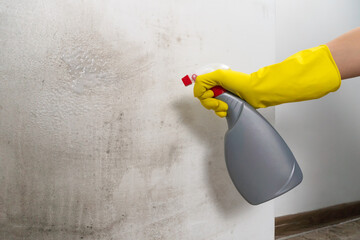
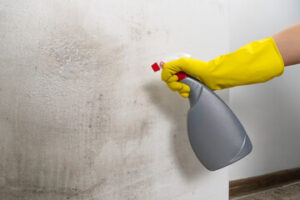 Identifying the cause of your mold problem is essential. Most of the time, a slow leak in a plumbing system or an excessively humid indoor air is the culprit. If the flood did not receive proper remediation, then mold could have easily developed. There are two main methods to remove it if this has happened: bleach and water and a professional mold removal service. If you can’t find a solution for your mold problem yourself, use a specially formulated mold remover.